
In the fast-growing world of regenerative peptides and performance recovery, one name stands out for its strong reputation: the Wolverine Stack Peptide. Also called the Wolverine peptide, or simply the Wolverine protocol, this combination of BPC-157 and TB-500 has become a go-to for athletes, biohackers, and anyone seeking accelerated healing from injuries, chronic pain, or post-surgical recovery.
Named after the X-Men character famous for his superhuman regenerative abilities, the Wolverine stack promises to mimic that rapid tissue repair in the human body.
But what exactly is the Wolverine stack peptide, and why has it exploded in popularity? This comprehensive guide dives deep into the science, reported benefits, real-user testimonials, usage protocols, and everything you need to know about this peptide duo.
Whether you’re dealing with tendon issues, joint pain, or simply optimizing recovery, the Wolverine peptide stack is generating serious buzz in wellness circles.
Note that these are research chemicals, and results are based on preclinical studies and anecdotal reports.
Regulatory Note (Canada):
In Canada, peptides such as BPC-157 and TB-500 are not approved by Health Canada for general use outside of clinical or research settings, and are not listed among products authorised for sale in Canada. They may be available through specialised clinics or for research purposes, but should only be used under the guidance of a licensed Canadian healthcare provider.
What Are The Wolverine Stack Peptide Components?
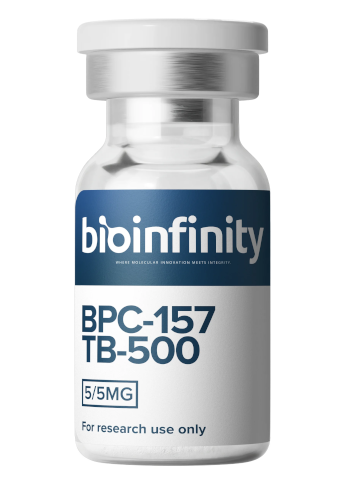
The Wolverine stack is not a single compound but a synergistic blend of two powerful peptides: BPC-157 (Body Protection Compound-157) and TB-500 (a synthetic version of Thymosin Beta-4).
Together, they form the wolverine peptide stack. When combined, they are designed to target healing from multiple angles, including local repair at the injury site and systemic support throughout the body.
What is BPC-157?
BPC-157 is a 15-amino-acid synthetic peptide derived from a protective protein found in human gastric juice. In animal studies and lab research, it has demonstrated remarkable abilities to promote angiogenesis (the formation of new blood vessels), stimulate collagen production, and enhance fibroblast activity.
It reportedly modulates nitric oxide pathways, reduces inflammation, and supports gut lining integrity, which is why it’s often praised for both musculoskeletal and gastrointestinal healing. Users and researchers note its localised effects, making it ideal for targeting specific injuries like torn tendons, ligaments, or muscle strains.
What is TB-500?
TB-500, on the other hand, is a fragment of the naturally occurring protein Thymosin Beta-4, which is present in nearly all human cells. It excels at promoting cell migration and differentiation, helping stem cells and repair cells reach damaged areas more efficiently.
TB-500 also supports actin polymerization (a key process in cell structure and movement), reduces scar tissue formation (fibrosis), and enhances overall flexibility and blood flow. Its effects are more systemic, meaning it works throughout the body rather than just at the injection site.
Why stack them together in the Wolverine protocol?
The synergy is what makes the wolverine peptide so compelling. BPC-157 handles the “on-site” repair crew, which involves boosting local blood supply, collagen synthesis, and anti-inflammatory responses.
TB-500, on the other hand, acts as the “project manager,” mobilizing resources systemically, improving cell migration, and preventing excessive scarring.
Preclinical data and user reports suggest this combo accelerates tissue regeneration far beyond what either peptide achieves alone.
For example, animal models show faster healing of tendons, ligaments, muscles, and even bone when these mechanisms overlap. In the context of the wolverine stack peptide, the result is often described as faster recovery from overuse injuries, surgeries, or chronic conditions, with reduced downtime and improved mobility.
This dual-action approach explains the Wolverine stack’s popularity in fitness, CrossFit, MMA, and everyday wellness communities.
It’s not about building muscle like traditional anabolics but about optimizing the body’s natural repair processes. This is what’s made it a favourite for those hitting plateaus using traditional rehab methods.
Benefits Of The Wolverine Stack Peptide
The reported benefits of the Wolverine stack peptide (BPC-157 + TB-500) center on accelerated healing and recovery. While human clinical trials are limited and these remain research peptides, thousands of anecdotal accounts and preclinical studies highlight consistent themes:
- Faster Injury and Post-Surgery Recovery: Users report significantly shortened healing timelines for tendons, ligaments, muscles, and joints. The stack may support everything from ACL repairs and rotator cuff tears to hamstring strains and plantar fasciitis by promoting angiogenesis and cell migration.
- Reduced Inflammation and Pain: Both peptides appear to downregulate inflammatory pathways, leading to quicker relief from chronic pain, swelling, and stiffness without relying solely on NSAIDs or steroids.
- Improved Joint, Tendon, and Ligament Health: Enhanced collagen synthesis and reduced fibrosis can lead to stronger, more resilient connective tissues, potentially helping prevent re-injury.
- Gut and Systemic Support: BPC-157’s origins in gastric proteins make the Wolverine protocol appealing for those with leaky gut or digestive issues, while TB-500’s systemic effects may benefit overall vitality, flexibility, and even minor skin/wound healing.
- Enhanced Mobility and Performance Recovery: Athletes often note better range of motion, less post-workout soreness, and faster return to training. Some report secondary perks like improved sleep quality and subtle energy boosts as the body prioritises repair.
- Potential to Support Chronic Conditions: From long-term elbow tendinopathy to knee issues, the wolverine peptide stack is frequently discussed as a non-surgical option for stubborn overuse injuries.
These benefits make the Wolverine stack a staple in regenerative wellness protocols. When combined with proper nutrition, physical therapy, and rest, many users describe it as a game-changer for getting back to peak performance faster.
Reviews & Testimonials From Real People
Real-world experiences are what fuel the hype around the Wolverine stack. Here are authentic, positive testimonials pulled from Reddit, YouTube, X (Twitter), and forums. These are user-reported and provided with direct links for reference (great for screenshots):
- Hamstring Tear Recovery (Reddit): In r/Biohack_Blueprint, one user detailed a softball-induced hamstring tear: “Within just a few days, inflammation dropped drastically—the constant throbbing pain calmed down. Bruising faded faster. I regained range of motion… my recovery timeline was cut almost in half… I even noticed better sleep and overall energy.” They ran the stack for 8–16 weeks and called it a “general tune-up” for old injuries too. Full post: https://www.reddit.com/r/Biohack_Blueprint/comments/1nxcygt/my_experience_with_bpc157_tb500_aka_the_wolverine/
- ACL Surgery and Knee Pain (Reddit): A detailed recovery log in r/ACL shared: “Knee pain for my wife and I went away by the third week… my patellar tendon has a noticeably higher tolerance for loading activities… Energy felt better too.” They noticed improvements in PT sessions and reduced aches during daily activities. Link: https://www.reddit.com/r/ACL/comments/1jwe0oe/documenting_my_aclr_meniscus_repair_journey/
- Chronic Achilles and Knee Pain (Reddit – CrossFit community): “I have used bpc-157 with tb500 (wolverine) and have had mixed results [but] it worked extremely well for my chronic Achilles pain—just 4 injections and my pain was completely gone… Worked well in my knees… No negative side effects… worth it.” They also noted benefits for a spouse’s shoulder. Thread: https://www.reddit.com/r/crossfit/comments/1m6zca5/thoughts_on_bpc157/
- Plantar Fasciitis Relief (Reddit): Multiple users in r/PlantarFasciitis reported success with the blend: “Within 5 days of taking 500mcg of BPC-157 per day… the PF is pretty much gone.” Another: “I have gone to cycles 2 mo long TB 500 and BCP 157 it has not only helped heal my foot.” Log: https://www.reddit.com/r/PlantarFasciitis/comments/1bure58/bpc157_and_tb500_therapy_log/
- YouTube User Experience: In “I Took The Wolverine Stack & My Thoughts On BPC-157,” the creator reported faster-than-expected healing after a pec tear and other nagging issues. Comments echoed this: “I had a torn rear delt that wouldn’t heal for 2 years… I tried the wolverine stack… Day 1 back pain is near zero. Elbow pain… gone.” Video: https://www.youtube.com/watch?v=GFVspd1by7w
- X (Twitter) Testimonials: One user (@AidanSingsAny) posted: “I tore my pec… After one shot of BPC-157 and TB-500 the pain was literally gone. Went running the next day.” Another (@HealthyAlfred) highlighted disc injury relief: “2.5 years of pain gone… BPC-157’s VEGF mechanism targets exactly that problem.” A third noted bench press gains with reduced shoulder pain after the stack.
These reviews highlight consistent themes: rapid pain reduction (often within days to 1–2 weeks), improved mobility, and shorter recovery times. Individual results vary, and users emphasise combining the stack with rehab.
Frequently Asked Questions
How do you use the Wolverine stack?
The Wolverine protocol typically involves subcutaneous (subQ) injections, though some use oral BPC-157 for gut-focused benefits. Common anecdotal dosing: BPC-157 at 250–500 mcg per day (often split into two doses, e.g., morning and evening; can be injected near the injury site for localised effect).
TB-500 is usually 2–5 mg twice per week during a loading phase (first 4 weeks), then reduced to once weekly for maintenance. Many source blended vials (e.g., 10mg each) for convenience. Cycles last 4–12 weeks, followed by a 2–4 week break to assess results and prevent desensitization.
Always reconstitute with bacteriostatic water, store refrigerated, and use insulin syringes. Pair with physical therapy, protein-rich nutrition, and sleep for best outcomes.
Are there any side effects?
Most users report minimal or no side effects. Anecdotal mentions include mild injection-site reactions (redness, swelling), transient nausea, headaches, or fatigue in the first few days.
Rare reports note dizziness or digestive upset. Because these are research peptides, long-term safety data in humans is limited; theoretical concerns include impacts on angiogenesis or unknown proliferative effects.
Serious risks are uncommon in user reports, but purity and sourcing matter. Those with cancer history or pregnancy should avoid use.
Is it available for sale online?
Yes, the Wolverine stack peptide is widely available online as a research chemical from peptide suppliers. However, it is not approved by Health Canada for general human use and is sold strictly for laboratory research purposes.
For therapeutic application, the recommended route is through a licensed wellness center or clinic where you can obtain a prescription under medical supervision. This ensures quality, proper dosing, and monitoring.
How long does the Wolverine Stack Peptide take to work?
Results vary, but many users notice initial improvements in pain and inflammation within 3–7 days. More significant tissue repair, mobility gains, and functional recovery often appear by weeks 2–4, with full benefits building over a 4–8 week cycle.
Consistency, injury severity, and lifestyle factors influence speed.
Client Reviews Of The Wolverine Stack
Healed My Hockey Knee Fast
The Wolverine Stack with BPC-157 and TB-500 was a lifesaver after I tweaked my knee playing hockey last winter. Inflammation dropped fast and my mobility came back in just a few weeks. Only small downside was remembering the injections twice a day, but getting back on the ice quicker made it worth every shot!

Saved My Winter Ankle
After a bad slip on an icy Ottawa sidewalk, the BPC-157 & TB-500 Wolverine Stack helped my ankle heal remarkably well. Less pain, reduced swelling, and I was walking normally much sooner than expected. Perfect for those of us dealing with harsh winters, I would highly recommend for anyone needing serious recovery support!

Rockies Shoulder Fixed with Wolverine Stack
I used the BPC-157 and TB-500 combo from the Wolverine Stack after straining my shoulder during a weekend hike in the Rockies near Banff. Recovery was impressive, to say the least. I noticed less soreness and better flexibility in weeks. The daily shots were a minor hassle, but the fast healing let me enjoy the outdoors again without missing a beat!

Worked Miracles For This Dad’s Back Recovery
As a hockey dad in Montreal, the Wolverine Stack (BPC-157 + TB-500) helped me bounce back from a nagging lower back injury. Reduced pain and inflammation quickly, letting me keep up with my kids on the rink. Slight downside of the injections, but the results were exactly what I needed this Canadian winter!

Conclusion
The Wolverine stack peptide offers a compelling option for those seeking faster recovery, reduced inflammation, and enhanced tissue repair. When used within a broader peptide therapy program, recovery-focused stacks like the Wolverine Stack can significantly enhance healing, reduce inflammation, and support long-term physical performance.
With its synergistic local and systemic actions, the Wolverine protocol has earned a devoted following through impressive anecdotal results across injuries, surgeries, and chronic pain. While not a miracle cure and best used responsibly under professional guidance, the reported benefits make it a standout in regenerative wellness.
If you’re considering using this stack for your own recovery journey, prioritise high-quality sources, follow evidence-based protocols, and consult a healthcare provider.
The path to Wolverine-like healing starts with informed, intentional use.