
Discover everything you need to know about the SLU PP 332 peptide (also known as SLU-PP-332 or SLU PP 332), the exercise-mimicking research compound gaining attention in metabolic health, fat loss, and performance circles.
While often marketed as a “peptide,” SLU-PP-332 is technically a synthetic small-molecule pan-agonist of estrogen-related receptors (ERRs), with strongest activity at ERRα. Developed by researchers at Saint Louis University, it activates cellular pathways that mirror the benefits of aerobic exercise, without requiring you to hit the gym.
In this comprehensive 2,000-word guide, we break down what SLU PP 332 is, how it works, its potential uses and benefits, safety profile, dosage guidelines, and more. Whether you’re researching slu pp 332 peptide for fat loss, endurance, or metabolic health, this article covers the science, preclinical data, and real-world considerations.
If your primary goal is fat loss, understanding how SLU-PP-332 compares to other peptides for weight loss can help you choose the most effective approach for your metabolism.
Regulatory Note (Canada):
In Canada, SLU-PP-332 is not approved by Health Canada for therapeutic use. It is classified as a research compound and should not be used outside of controlled research or under the guidance of a licensed Canadian healthcare provider.
What is SLU-PP-332?
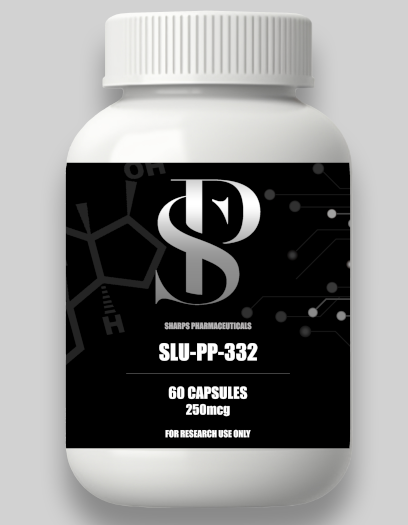
The information presented below is based on preclinical research, animal studies, and emerging scientific literature. It does not constitute approved medical use in Canada.
SLU-PP-332 is a potent synthetic ERR agonist (chemical formula C₁₈H₁₄N₂O₂, CAS 303760-60-3). Its IUPAC name is 4-hydroxy-N’-[(E)-naphthalen-2-ylmethylene]benzohydrazide. Unlike traditional peptides, it is a small molecule designed to target orphan nuclear receptors known as estrogen-related receptors (ERRα, ERRβ, and ERRγ), which regulate mitochondrial biogenesis, fatty acid oxidation, and energy metabolism.
ERRs are “exercise sensors” in the body. They become more active during physical activity, ramping up genes involved in oxidative metabolism. SLU-PP-332 was engineered to pharmacologically activate these receptors, activating pathways in muscle cells (and other tissues) that resemble those seen during endurance training. It was first reported in peer-reviewed literature in 2023 by teams led by Thomas Burris (University of Florida) and colleagues from Saint Louis University and Washington University.
Preclinical research shows SLU-PP-332 enhances mitochondrial function, increases oxidative (fat-burning) muscle fibers, and shifts whole-body fuel preference toward lipids. It does not suppress appetite, increase physical activity, or act as a stimulant, making it distinct from traditional fat burners or hormone-based compounds. Early animal studies position it as a potential tool for combating obesity, metabolic syndrome, type 2 diabetes, and age-related muscle decline.
Because it is still in the research phase, SLU-PP-332 is sold as a research chemical by specialised suppliers. It is not intended for human consumption, and any discussion of its effects is based on preclinical data and anecdotal reports.
How Does SLU-PP-332 Work?
The mechanism of SLU-PP-332 centers on its role as a pan-ERR agonist. It binds to ERRα (EC₅₀ = 98 nM), ERRβ (230 nM), and ERRγ (430 nM), with greatest potency at ERRα. Once activated, these receptors function as transcription factors that upregulate genes involved in:
- Mitochondrial biogenesis and oxidative phosphorylation
- Fatty acid β-oxidation
- Oxidative fiber-type switching in skeletal muscle (increased Type IIa fibers)
- Cellular respiration and energy expenditure
In cell-based assays, SLU-PP-332 boosts mitochondrial function and respiration in skeletal muscle lines (e.g., C2C12 myocytes). In vivo, it mimics the acute aerobic exercise gene program.
Key metabolic shifts observed in mouse studies include:
- Lower respiratory exchange ratio (RER): Indicates a switch from carbohydrate to fat as the primary fuel source.
- Increased fatty acid oxidation: Up to 25% higher in treated animals.
- Elevated energy expenditure: Mice burn more calories at rest without changes in food intake or locomotor activity.
- Muscle adaptations: More oxidative fibers, reduced glycogen stores, and improved glucose uptake in muscle tissue, which are all the hallmarks of endurance training.
Importantly, SLU-PP-332 does not activate classical estrogen receptors and shows no hormonal disruption in preclinical models. Its effects are tissue-selective, primarily impacting energy-gobbling organs like skeletal muscle, heart, liver, and brain.
This exercise-mimetic profile makes SLU-PP-332 distinct, as preclinical studies suggest it may produce metabolic effects similar to those observed with endurance training, without the physical stress or time commitment.
SLU-PP-332 Uses & Benefits
Preclinical data suggest several potential applications for SLU-PP-332 in metabolic health and performance:
- Fat Loss and Body Composition: In diet-induced obese (DIO) mice, twice-daily dosing for one month resulted in 10× less fat gain and a 12% reduction in body weight compared to controls. Adipocyte size decreased, and fat mass accumulation was dramatically blunted. In ob/ob mice (a genetic obesity model), similar reductions in adiposity and liver fat were observed.
- Enhanced Endurance and Exercise Capacity: Normal-weight mice treated with SLU-PP-332 ran 70% longer and 45% farther on treadmill tests. Obese mice also showed improved running performance. These gains are associated with increased oxidative muscle fibers and mitochondrial efficiency, contributing to effects that resemble those observed with endurance training.
- Improved Metabolic Health & Insulin Sensitivity: Treated mice exhibited better glucose tolerance and lower fasting insulin in obesity models. Hepatic triglycerides dropped, suggesting protection against fatty liver disease (NAFLD). Energy expenditure rose while carbohydrate utilisation fell, promoting metabolic flexibility.
- Potential Therapeutic Applications: Researchers suggest SLU-PP-332 may have potential applications in conditions such as obesity, type 2 diabetes, metabolic syndrome, and sarcopenia (age-related muscle loss). Additional studies explore kidney protection in aging and even speculative roles in mitochondrial dysfunction-related conditions.
While SLU-PP-332 mimics the effects of endurance exercise at the cellular level, other approaches like the CJC-1295 Ipamorelin peptide stack support fat loss and recovery through growth hormone optimization.
Anecdotal user reports from research communities describe experiences such as steadier energy, improved endurance during workouts, modest fat loss, and improved recovery; however, these observations are not supported by clinical evidence. Some stack it with other research compounds for synergistic effects.
Compared to other metabolic agents:
- Vs. traditional fat burners: Non-stimulant, no crash.
- Vs. GLP-1 agonists (e.g., semaglutide): No appetite suppression; focuses on fuel partitioning.
- Vs. other peptides (e.g., AOD-9604): Targets nuclear receptors for broader mitochondrial and endurance benefits.
Similarly, compounds like 5-Amino-1MQ work through metabolic enzyme inhibition to enhance fat loss and energy utilisation, though via a different mechanism than ERR activation.
Is SLU-PP-332 Safe?
slu-pp-332 side effects remain a critical topic because human safety data do not yet exist. In all published mouse studies, no severe toxicity, organ damage, or major adverse events were reported. Minor changes in plasma cholesterol and liver enzymes were noted but stayed within normal ranges. No alterations in locomotor activity, food intake, lean mass, or brown fat were observed.
Long-term effects, drug interactions, and off-target risks (e.g., potential cardiac effects from ERRγ activation) are unknown. Preclinical toxicology is limited; formal GLP-grade studies have not been published. One review notes the compound’s pan-ERR activity raises theoretical concerns about cardiac hypertrophy or other isoform-specific issues, but these have not materialised in short-term mouse models.
Anecdotal reports from research users mention:
- Mild hunger (paradoxically, despite no appetite change in studies)
- Occasional fatigue or brain fog at very high doses
- Joint aches or digestive changes (unconfirmed and possibly unrelated)
Critical disclaimer: SLU-PP-332 has never been tested in humans. There are no clinical trials, pharmacokinetic data, or established safety profiles for human use. It is sold strictly for laboratory research. Any self-experimentation carries unknown risks, including impurity concerns from non-GMP sources. Consult a qualified healthcare provider before considering any research chemical.
How is SLU-PP-332 Used? (Dosage and Administration)
Because SLU-PP-332 is not approved for human use, there are no official dosage guidelines. Preclinical studies used 50 mg/kg intraperitoneally (IP) twice daily in mice, which is equivalent to roughly 4 mg/kg human dose by body surface area conversion. That being said, it should be noted that direct translation is unreliable.
Anecdotal protocols (shared in research communities and vendor guides) typically suggest:
- Oral or subcutaneous: 250–1,000 mcg per day, often split into 1–2 doses.
- Example starting protocol: 250 mcg morning and evening (total 500 mcg/day).
- Cycle length: 4–8 weeks on, followed by equal time off to prevent potential adaptation.
- Timing: Pre-workout or morning dosing to align with metabolic activity.
Some vendors offer capsules (e.g., 1.5 mg) or injectable forms. Bioavailability data are limited; oral administration appears effective in user reports, though original studies used injection. Always start low, monitor biomarkers (lipids, glucose, liver enzymes), and source from reputable research suppliers with third-party testing.
Stacking ideas (research only): Often paired with other metabolic compounds, but interactions are unstudied.
Frequently Asked Questions
What is SLU-PP-332 peptide used for?
Primarily researched for fat loss, endurance enhancement, and metabolic syndrome. It mimics exercise to boost fat oxidation, energy expenditure, and mitochondrial health, giving it potential applications for obesity, diabetes, and performance optimization.
What are the side effects of SLU-PP-332?
No severe side effects in mouse studies. Anecdotal reports include mild hunger, fatigue at high doses, or minor digestive changes. Human safety is unknown; long-term risks are uncharacterised. Always treat as research-only.
Has SLU-PP-332 been tested on humans? Short answer: No.
All data come from cell cultures and mouse models (2023–2024 publications). Human trials have not begun. Next development steps include formulation refinement (pill vs. injection) and further animal toxicology before any human studies.
Can I buy SLU-PP-332 online?
Yes, but only as a research chemical labeled “not for human consumption.” It is available from specialised suppliers in powder, capsule, or solution form. Quality varies; third-party COAs are essential. Import and personal use regulations differ by country; it is unapproved everywhere for therapeutic use.
Conclusion
The SLU PP 332 peptide (SLU-PP-332) represents a fascinating leap in exercise-mimetic research. By activating ERR pathways, preclinical research suggests it may provide metabolic effects without altering appetite or requiring additional physical activity. For researchers and those studying metabolic health, it represents a novel tool for investigating energy regulation at the genetic level.
As research evolves, compounds like SLU-PP-332 may eventually become part of more advanced peptide therapy protocols focused on metabolic health, endurance, and longevity.
For individuals more focused on injury recovery and physical resilience, stacks like the Wolverine Peptide Stack are often used alongside training to support tissue repair and reduce inflammation.
However, excitement must be tempered with caution. With zero human clinical data, unknown long-term slu-pp-332 side effects, and research-chemical status only, SLU-PP-332 is not ready for widespread use. Future human trials will determine whether this compound becomes a legitimate therapeutic for obesity, diabetes, or age-related decline.
In the meantime, the best “exercise mimetic” remains actual exercise combined with proper nutrition. Stay informed, prioritise safety, and follow emerging science as SLU-PP-332 moves from lab bench toward potential clinical reality.